


Between working full-time and raising two toddlers, planning daily activities to keep them occupied can feel like a second job. Thankfully, craft subscription boxes have become my go-to solution.
Not only do they give my kids something creative to focus on, but they also help build fine motor skills and hold their attention without needing me right there every second. That makes a big difference on days when I’m juggling meetings, emails, and everything else that comes with running a household.
In this guide, I’m sharing my 6 favorite kids craft subscription boxes that keep creativity flowing without adding more work to your day. You’ll find options for preschoolers through teens, including both guided crafts and more independent projects.
- Doodle Crate - Best for Older Kids
- We Craft Box - Best for Younger Kids
- Green Kid Crafts - Best for STEM Learning
- Koala Crate - Best for Preschoolers
- Pipsticks - Best for Fun and Silly Stickers
- Confetti Grace - Best for Making Homemade Gifts
We will update this list regularly to reflect accurate pricing and information for each brand. If closures occur we will replace these listings with the best alternatives available.
The 6 Best Kids' Craft Subscription Boxes in 2026
1. Doodle Crate
Best for Older Kids
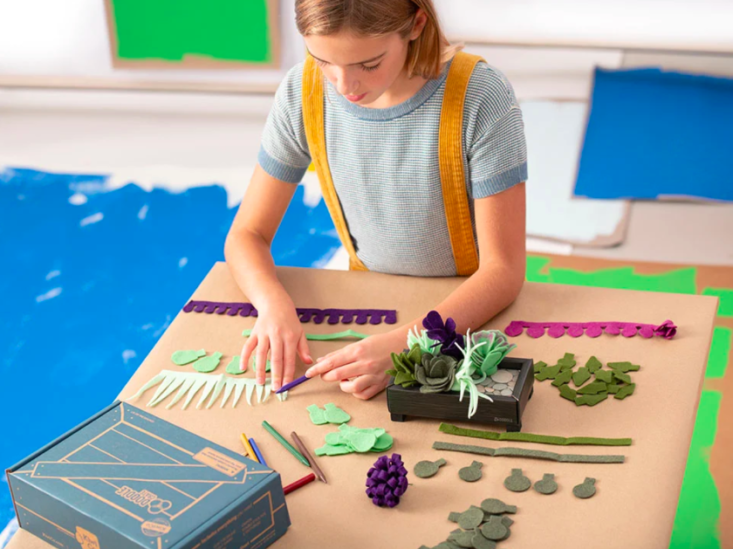
Image via KiwiCo.
Popular FAQs About Doodle Crate
- What ages is Doodle Crate best for? Doodle Crate is designed for kids ages 9–16 who enjoy hands-on, creative projects and are ready for more advanced crafting techniques.
- What comes in a Doodle Crate box? Each monthly box includes unique craft tools, high-quality materials, and illustrated instructions for one complete project.
- Is Doodle Crate beginner-friendly? Yes. While the projects are more advanced, the step-by-step instructions make them accessible for kids at different skill levels.
Doodle Crate is designed for kids who want more than quick crafts or coloring pages. Each box introduces a specific skill and walks kids through a project that actually takes time to complete. Past crates have included carving custom rubber stamps, weaving small baskets, designing embossed paper lanterns, and creating functional items kids can use or display.
What stands out is the quality of the materials. The tools and supplies feel closer to what you’d find in a real craft store, not flimsy extras that fall apart halfway through. Instructions are illustrated and detailed, which helps kids stay focused without constantly needing an adult to step in. For parents, that means kids can settle into a project and stay engaged longer.
Doodle Crate works especially well for older kids who like working with their hands and feel proud when they finish something tangible. It’s not rushed, and it doesn’t feel childish. That makes it a solid option for kids who are outgrowing basic crafts but still enjoy creative projects that challenge them a bit.
What to know before signing up: Projects are intentionally more challenging, so this box is best for tweens and teens rather than younger kids.
2. We Craft Box
Best for Younger Children
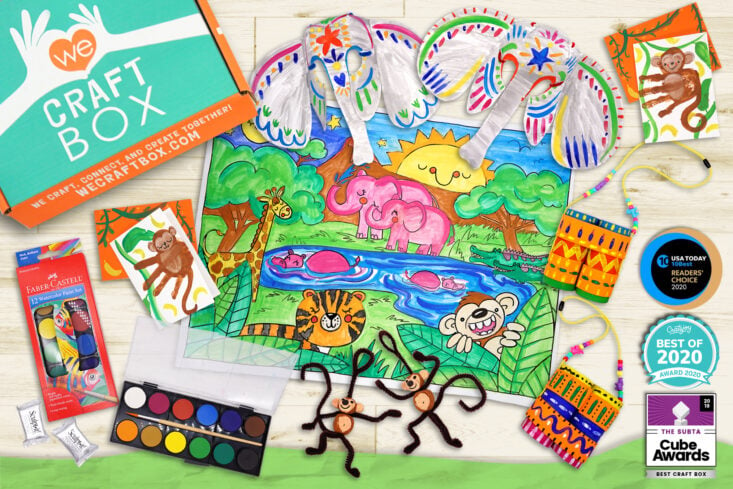
Image via We Craft Box.
Popular FAQs About We Craft Box
- What age group is We Craft Box for? We Craft Box is designed for kids ages 3–9, with crafts that work especially well for preschool and early elementary kids.
- How many crafts come in each box? Each box includes 4–5 themed crafts, plus a coordinating story and all required materials.
- Can more than one child use the box? Yes. The projects are designed to be shared, making it a good option for siblings or group crafting time.
We Craft Box is one of those subscriptions that feels thoughtfully designed for younger kids who love creating but still need clear structure. Each monthly box centers around a theme—like outer space, animals, holidays, or seasons—and includes multiple crafts that build on that idea. Past art projects have featured projects like paper plate animals, painted rockets, sensory art, and simple DIY decorations kids can hang up or gift.
What I appreciate most is that everything needed is included and clearly organized. Crafts come with photo instructions and optional video tutorials, which helps kids follow along without getting frustrated. The projects are intentionally approachable, so kids feel successful finishing them—even if they’re not “crafty” to begin with.
We Craft Box also works well for families with more than one child. Many of the crafts can be shared, which makes it easy to sit kids down together and let them work side by side. It’s a solid option for parents who want creative time that feels calm and purposeful instead of chaotic.
What to know before signing up: You can’t choose individual projects, so it’s best if your child enjoys surprises and themed activities.
3. Green Kid Crafts
Best for STEM Learning
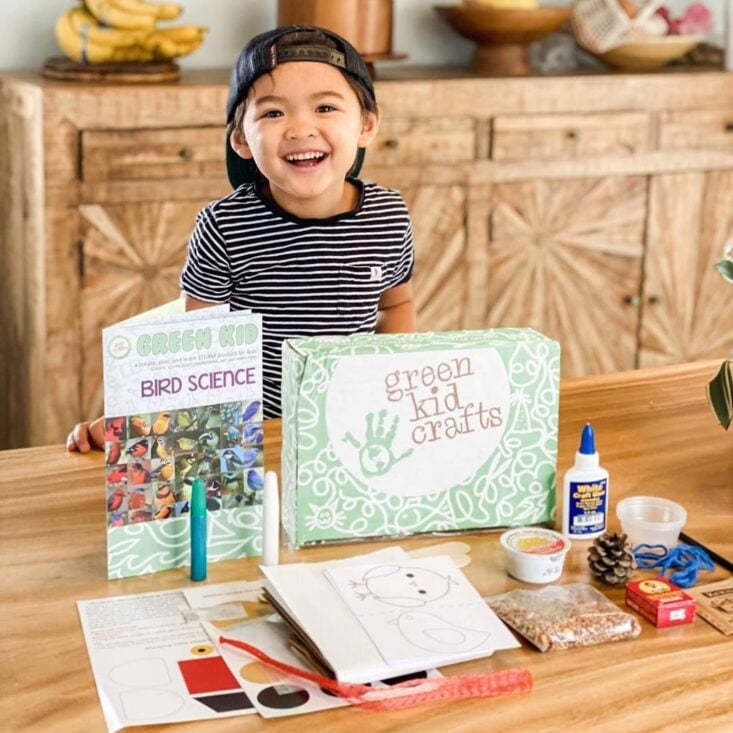
Image via Green Kid Crafts.
Popular FAQs About Green Kid Crafts
- What ages are Green Kid Crafts boxes for? Green Kid Crafts offers options for kids ages 3–10+, with different boxes based on age and skill level.
- How is this box different from other craft subscriptions? Each box blends crafting with STEM concepts and focuses on eco-friendly learning.
- How many activities come in each box? Most boxes include 4–6 hands-on activities or experiments.
Green Kid Crafts is a great fit for parents who want crafts to feel a little more educational without feeling like school. Each box includes 4–6 activities that combine creativity with STEM learning, so kids are painting, building, experimenting, and learning at the same time. Past projects have included making solar system models, building simple machines, creating animal habitats, and experimenting with basic chemistry concepts using kid-safe materials.
What sets Green Kid Crafts apart is how clearly everything is explained. Each STEM subscription box activity comes with step-by-step instructions that explain not just how to do the project, but why it works. That makes it easier for kids to stay engaged and helps parents answer the inevitable “why does this happen?” questions without needing to Google mid-project.
The brand also focuses on eco-friendly materials and themes, which adds another layer of value. Boxes often include lessons about sustainability, nature, and the environment, woven naturally into the crafts instead of feeling preachy. It’s a nice balance for kids who like to create but are also curious about how the world works.
What to know before signing up: Some activities may still need light adult help, especially for younger kids.
4. Koala Crate by KiwiCo
Best for Preschoolers
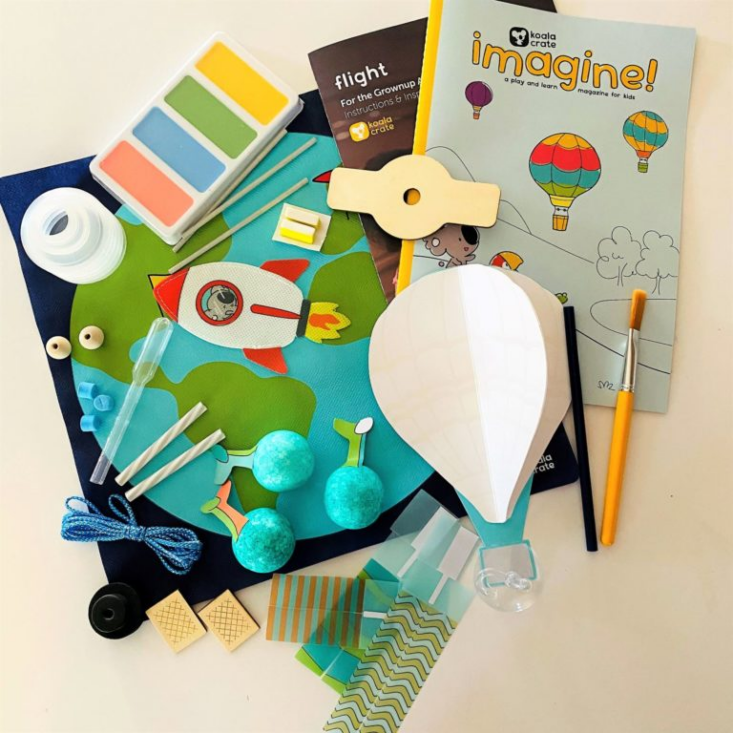
Image via our review.
Popular FAQs About Koala Crate
- What age is Koala Crate designed for? Koala Crate is made specifically for kids ages 3–4.
- What comes in each Koala Crate box? Each box includes one themed project with all materials included, plus activity ideas and guidance.
- Does Koala Crate require adult supervision? Yes, but projects are designed for easy collaboration and short attention spans.
Koala Crate is designed with preschool attention spans in mind. Each box centers on one theme and turns it into a hands-on, play-based activity that feels fun rather than instructional. Past crates have focused on things like colors, movement, animals, and everyday routines—projects that feel familiar but still exciting for young kids.
What works especially well about Koala Crate is how approachable it feels. The materials are sturdy and safe for little hands, and the instructions are written clearly for parents while still being easy to explain to kids. Many boxes include story elements or pretend play prompts, which helps preschoolers stay engaged longer without needing constant direction.
For families with younger kids, Koala Crate creates a natural opportunity for bonding time. Projects might include assembling simple crafts, matching colors, practicing hand-eye coordination, or acting out small scenarios tied to the theme. It’s the kind of activity that feels productive without feeling structured, which makes it easier to fit into busy days.
What to know before signing up: Projects are short and simple, which is ideal for preschoolers but may feel limited for older kids.
5. Pipsticks
Best for Fun and Silly Stickers

Image via our review.
Popular FAQs About Pipsticks
- What age is Pipsticks best for? Pipsticks is suitable for kids ages 3 and up.
- How many stickers do you get each month? Depending on the plan, you’ll receive either 7 or 15 sheets of stickers.
- Are the stickers themed? Yes. Each month features new designs created by independent artists.
Pipsticks is one of those subscriptions that feels simple—but in the best way. Instead of full craft projects, it delivers a steady stream of fun, imaginative stickers that kids can use however they want. Past themes have included animals, food, holidays, outer space, silly characters, and everyday objects with a whimsical twist.
What makes Pipsticks especially useful is how flexible it is. Stickers can be used for coloring books, homemade cards, notebooks, water bottles, pretend play, or even reward charts. On busy days, it’s an easy activity to pull out without setting anything up or cleaning a big mess afterward, which parents definitely appreciate.
Pipsticks works well for a wide age range. Younger kids enjoy sticking and peeling, while older kids get into decorating, storytelling, or collecting their favorite designs. It’s also a great option if your child likes creative freedom rather than guided instructions.
What to know before signing up: This box is more about fun than full projects, so it’s best paired with other craft activities.
6. Confetti Grace DIY Crafts
Best for Making Homemade Gifts
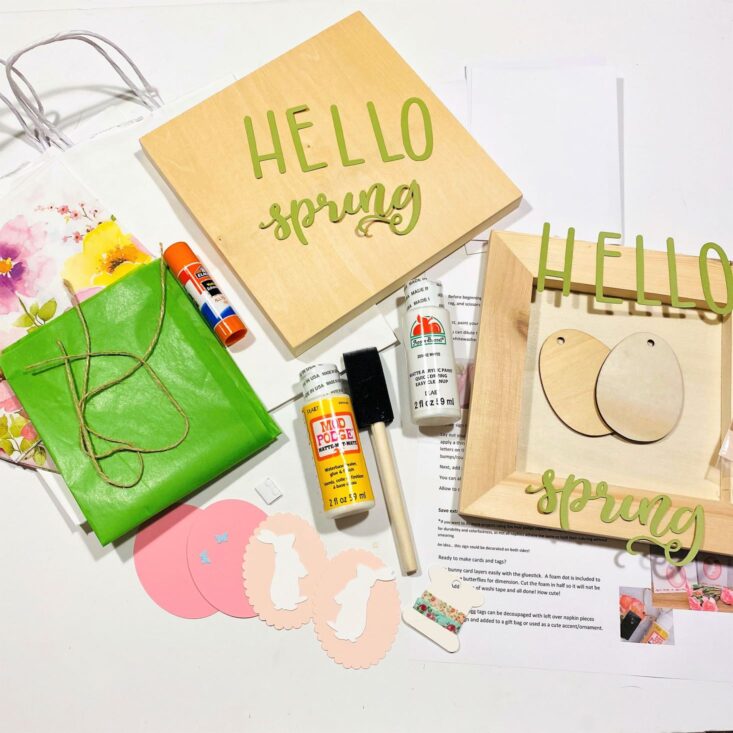
Image via our review.
Popular FAQs About Confetti Grace
- What ages are Confetti Grace boxes for? Confetti Grace is best for kids ages 8 and up.
- How often do boxes ship? Boxes ship every other month.
- What types of projects are included? Projects often include seasonal or giftable items like signs, candle holders, or décor pieces.
Confetti Grace stands out because the projects feel meaningful, not just fun. Instead of quick crafts that get tossed aside, these boxes focus on creating items kids can gift, display, or actually use. Past projects have included wooden signs, candle holders, wall hangings, framed art, and seasonal décor tied to holidays or special moments.
Each box includes two coordinated projects, which makes it ideal for siblings, playdates, or a parent-and-child activity. The instructions are clear and easy to follow, but the projects still feel substantial enough that kids feel proud of the finished result. It’s a nice balance between guided crafting and creative ownership.
This is the kind of craft box that works well when you want something a little more intentional—like making gifts for grandparents, decorating for a season, or slowing down for a focused creative afternoon. It’s especially appealing for older kids who enjoy projects with a purpose beyond just play.
What to know before signing up: Since boxes ship bi-monthly, this works best as a supplement rather than a weekly activity solution.
Quick Recap: Which Craft Box Is Right for Your Kid?
If you don’t have time to read every review, here’s a quick way to narrow it down based on your child’s age and how much structure you want.
- If you have a preschooler (ages 3–4) and want short, guided activities that hold attention:
Koala Crate is the easiest place to start. - If your kids are younger (ages 3–9) and enjoy themed crafts you can do together:
We Craft Box works well for calm, shared crafting time. - If you want crafts that double as learning activities, especially STEM-based projects:
Green Kid Crafts is a strong choice. - If your child is older (tweens or teens) and wants real projects that feel challenging:
Doodle Crate is better than basic craft kits. - If you need something low-prep and low-mess, or your kid loves creative freedom:
Pipsticks is simple, flexible, and easy to pull out anytime. - If your child enjoys making gifts or décor and likes finishing projects with a purpose:
Confetti Grace is a great fit.
If you’re still unsure, start with the box that best matches your child’s age and attention span. That alone usually makes the biggest difference.
Additional FAQs About Craft Subscription Boxes for Kids
Are craft subscription boxes worth it compared to buying supplies at the store?
They can be—especially if you’re short on time or your child loses interest when a project is too open-ended. With a craft box, you’re paying for the “plan” as much as the supplies: everything is measured out, the steps are laid out, and the project usually has a clear start-to-finish payoff. If you already keep a fully stocked craft closet and enjoy planning activities, you might save money DIY-ing it. But if you’re tired of last-minute Target runs or half-finished Pinterest projects, the convenience is often what makes the subscription worth it.
Which is better: a project-based craft box or an art-supplies-only box?
It depends on how your kid creates. Project-based boxes (like themed kits) work best for kids who like structure or need a clear goal—especially younger kids and kids who get overwhelmed by too many choices. Art-supplies-only boxes are better for kids who already love to draw, paint, or craft independently and just want better materials to play with. If you’re not sure, start with project-based for a month or two, then switch to supplies once you see what they naturally gravitate toward.
What’s the best craft box for siblings or mixed ages?
Look for boxes that include multiple projects per delivery or activities that can be adjusted up or down depending on age. A good “sibling-friendly” box usually has enough materials for two kids to work at the same time without fighting over one glue stick or one paint set. If your kids are far apart in age, aim for a kit that can be simplified for your younger one while your older one handles the trickier steps—otherwise you’ll end up running two separate activities, which defeats the purpose.
How much parent help do craft subscription boxes usually require?
Most craft boxes aren’t truly “hands-off,” but the level of help varies a lot. Preschool kits often need help with scissors, glue, or reading directions. Elementary-age kits usually require setup (opening materials, protecting the table) and occasional assistance. Older kid/teen kits can be mostly independent, but may still need help with tools or more detailed steps. If you’re choosing a box because you need something that works while you’re cooking dinner or finishing work, pick one with clear visual instructions and minimal cutting.
How do I choose the right craft box if my child isn’t “artsy”?
Go for boxes that lean into making, building, or experimenting—not just drawing and painting. STEM-leaning craft kits or “maker” style projects can be a better fit for kids who like hands-on activities but don’t love traditional art. Also, look for projects with a practical end result (something they can use, gift, or display). Kids who don’t think of themselves as creative often surprise you when the project feels doable and has a purpose.
What should I look for before subscribing so I don’t waste money on a box we won’t use?
Check four things: age fit, time commitment, mess level, and flexibility. Make sure the age range matches your child’s attention span (not just the label). Look at how long projects usually take—some are 15–20 minutes, others are full afternoon activities. Consider whether you’re okay with paint/glitter/mess or if you need “kitchen table safe” projects. Finally, check if you can skip a month, cancel easily, or switch plans. The best box is the one you’ll actually open and use—not the one that sounds the fanciest.


Please do not enter your email address in the Name field or in the comment content. Your email address will not be published. Required fields are marked *. Remember to post with kindness and respect. Comments with offensive language, cruelness to others, etc will not be approved. See our full comment policy here.