




Every week, a woman sits across from me and says some version of the same thing: I don’t feel like myself anymore. The sleep that used to come easily doesn’t. The brain fog shows up mid-sentence. The energy she used to count on disappears by early afternoon, and coffee doesn’t bring it back.
This is what menopause looks like for most of the women I talk to, and it’s exactly why Hormone Replacement Therapy exists. But knowing HRT could help is one thing. Knowing where to actually start is another.
Two names keep coming up when my patients ask where to look: Fountain and Winona. So I went through both, the intake process, the treatment options, the ongoing care, to see how they’d actually hold up for the women I see every day.
Fountain Adjusts Your Dose as You Change. Winona Mostly Sets It and Leaves It.
I had a patient last year who’d been on the same HRT protocol for months. It worked great for about six weeks, and then it quietly stopped. Nobody adjusted anything, because nobody was really looking. By the time she found her way to me, she’d nearly written off HRT altogether, when really, her plan just needed to catch up to her.
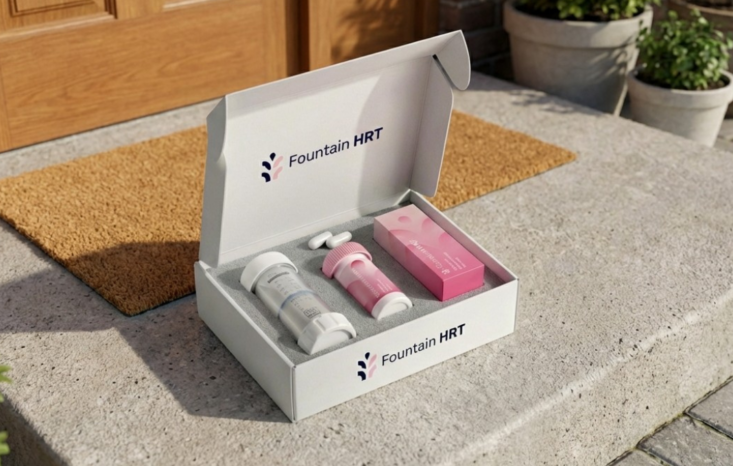
That’s the gap Fountain is built to close. It starts with a full intake and a real video visit before a provider builds a Hormone Therapy Kit around a patient’s specific symptoms and goals. And because hormones keep shifting, the plan isn’t static either. Providers check in regularly and adjust as needs change, instead of treating that first prescription as the finish line.
Winona also personalizes treatment upfront, but ongoing adjustments happen mostly through messaging, without that same built-in rhythm of visits and monitoring. For patients whose symptoms are still shifting, and most women’s are, that continued attention tends to be what makes the difference.
Winner: Fountain
Fountain Treats Testosterone Like Part of the Picture. Winona Leaves It Out Completely.

One of my patients spent nearly two years doing everything right on estrogen and progesterone and still couldn’t figure out why her energy and libido never came back. No one had ever brought up testosterone. It wasn’t on her radar because it wasn’t on her provider’s either.
Testosterone doesn’t get much airtime in the menopause conversation, but it should. Levels decline during menopause too, and it plays a real role in energy, mood, motivation, and libido. Fountain is one of the few platforms that includes it as part of a personalized protocol when it’s clinically appropriate, individually dosed alongside estrogen and progesterone rather than treated as an afterthought.
Winona doesn’t prescribe testosterone. It offers DHEA as a supplement alternative, which isn’t the same thing. For patients whose symptoms point to a bigger hormonal picture than estrogen and progesterone alone, that gap matters.
Winner: Fountain
Fountain Gets You Face-to-Face With a Provider. Winona Keeps You in a Chat Thread.
I think about the patient who messaged her previous provider about a symptom that genuinely scared her and didn’t hear back for four days. That’s exactly the kind of silence that sends women down a 1am Google spiral instead of getting a real answer.
Fountain pairs its treatment plans with real video visits and 24/7 concierge support by text, so questions don’t have to wait for the next scheduled appointment.
Winona runs mostly through secure messaging rather than live visits. Responses are typically prompt, but there’s no video component to the ongoing relationship. For women who want a provider they can actually see and talk to, not just message, that’s a meaningful difference.
Winner: Fountain
Fountain Builds One Custom Kit for You. Winona Leaves You to Piece It Together.
I had a patient who came to me with a shopping cart, literally, a patch, a cream, a progesterone caplet, and a DHEA supplement she'd pieced together on her own because no one had told her how they were supposed to work together. She was managing her own regimen like a part-time pharmacist, and still wasn't sure if the combination made sense.
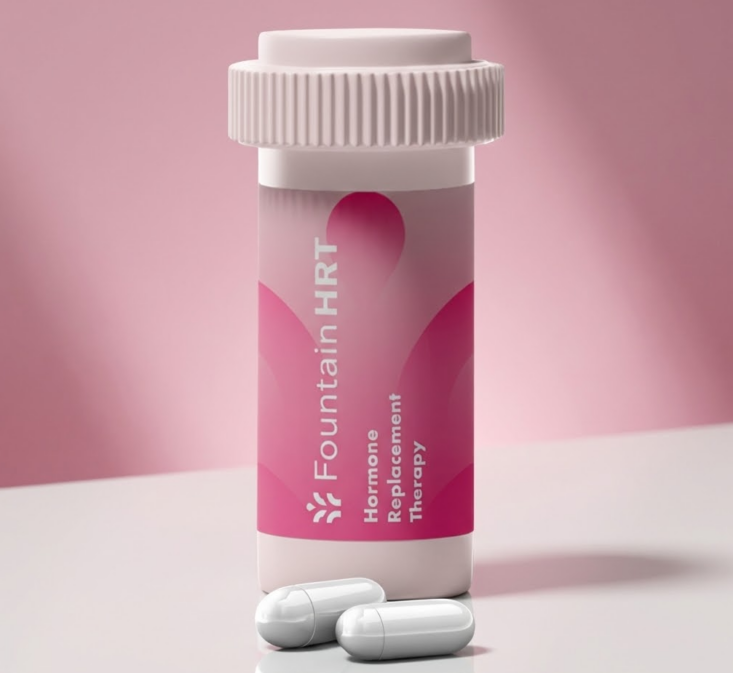
Fountain builds a single Hormone Therapy Kit around each patient, combining individualized doses of estrogen, progesterone, and testosterone (when appropriate) into one kit designed to work together from the start, not a menu of products a patient has to assemble herself.
Winona sells its hormones a la carte: a patch, a cream, a tablet, a separate progesterone caplet, DHEA as its own add-on. Patients choose and combine products themselves. That flexibility works for some, but it also puts the burden of figuring out the right combination on the patient rather than the provider.
Winner: Fountain
Price Isn't Just the Starting Number, It's What's Included
Plenty of the women I talk to are simply trying to feel like themselves again without taking on another expensive subscription, and that's a completely fair place to start from. I'll give credit where it's due. Winona has no membership fee, and patients pay per product depending on the medication, for example, their estrogen cream runs about $89 a month.
But that price only covers the medication itself. Fountain takes a different approach: one all-inclusive membership fee that bundles the medication, shipping, visits, and 24/7 provider support together. There's no guessing what a follow-up visit or a dose adjustment will cost later, because it's already built in. For patients who want the lowest possible starting price and are comfortable managing everything else themselves, Winona wins this one. But for anyone weighing what that price actually gets you, it's worth reading the next section before deciding.
Winner: Winona
So, Fountain or Winona? Here’s Where I’d Land.
Both platforms are legitimate options, and I can see different women choosing differently depending on what they need. If cost and simplicity matter most, Winona is worth a look.
But if a patient asked me which platform gives her the most complete picture, real visits with a provider, testosterone on the table when it’s appropriate, and support that’s actually there at 11pm, I’d point her toward Fountain.
Menopause is hard enough to navigate without also having to guess whether your treatment is working. That’s the piece I keep coming back to with every patient I see. Fountain is one of the few platforms built to keep checking, adjusting, and paying attention long after the first prescription ships. For the women in my practice, that ongoing attention is exactly what’s been missing everywhere else.


