



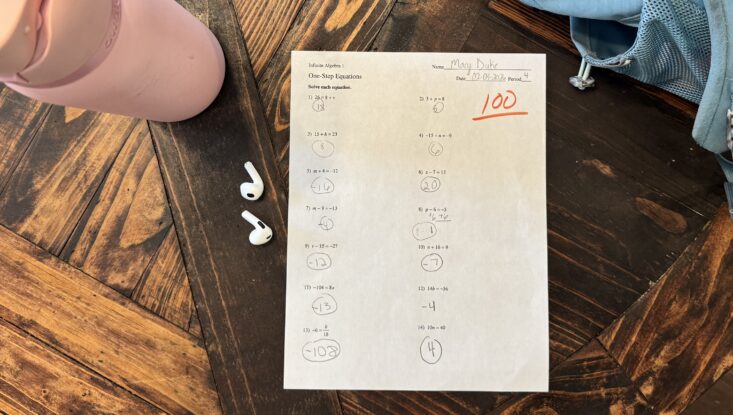
There’s a moment every parent hits - when math stops being basic worksheets and suddenly turns into variables, formulas, and concepts you haven’t thought about in years. For us, that moment came as my kid started moving into more advanced math. Grades weren’t terrible, but I could see the frustration creeping in. The confidence wasn’t there anymore. I didn’t want to wait until things went sideways, and I definitely did not know how to help my daughter with her algebra homework. I wanted to be proactive, not reactive. That’s what led me to Mathnasium - and honestly, it stood out immediately because it wasn’t about cramming or quick fixes. It was about building a stronger foundation before the pressure really ramps up.
Why Advanced Math Is a Different Game for Teens
As kids get older, math becomes less about memorization and more about understanding the “why.” That shift can be tough. Expectations rise fast, classrooms move quickly, and it’s easy for teens to fall behind without anyone realizing it right away. What I appreciated about Mathnasium is that they recognize this exact phase. It’s not designed just for kids who are failing. It’s for students who are capable, but need structure, clarity, and confidence as math gets more complex.
Personalized Learning That Actually Makes Sense
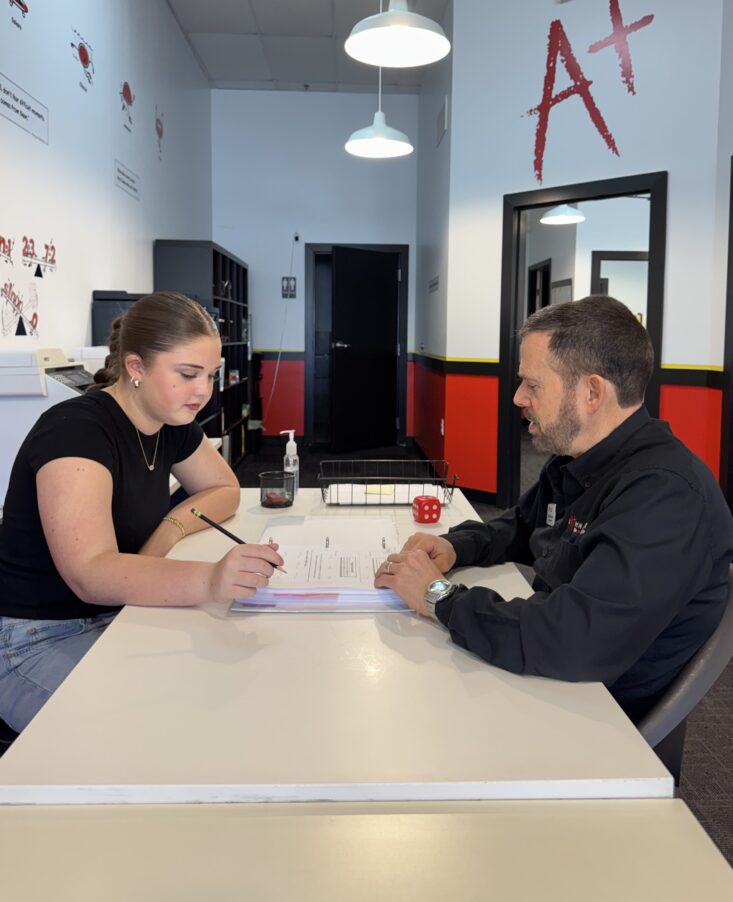
The first thing Mathnasium did was a full assessment. (*Not to label or compare - but to understand where my kid was strong and where gaps existed). From there, they built a personalized learning plan instead of throwing generic worksheets at the problem. That mattered to me as a parent. It showed me this wasn’t a one-size-fits-all system. The focus was on steady progress and understanding, not rushing through material just to keep up.
One-on-One Instruction That Builds Real Confidence
One of the biggest differences I noticed was the one-on-one instruction. Instead of just being told how to get an answer, my kid was learning why it worked. That shift alone changed how they approached math. When teens understand the logic behind the problem, it sticks. They’re not just guessing anymore. Over time, that builds confidence - not just in math class, but in how they handle challenges in general.
Structure Without Overwhelm
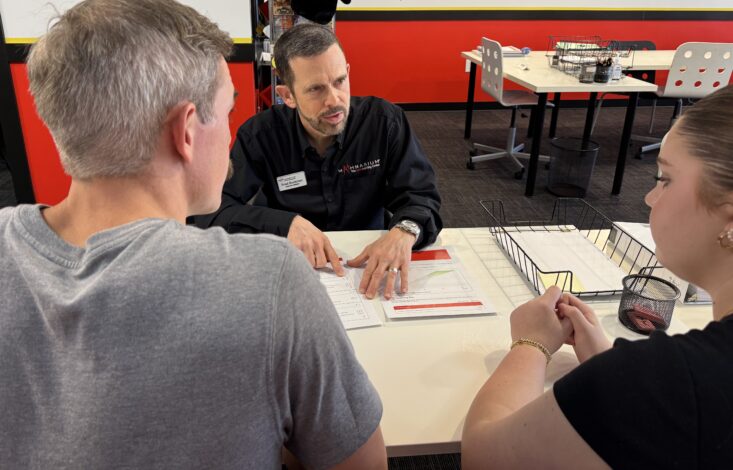
As a dad, I’m big on balance. I don’t want my kid buried under extra pressure or burned out by tutoring that feels like punishment. Mathnasium struck a good balance. Sessions were focused and productive, but not overwhelming. It felt like something that fit into our routine instead of taking it over. That consistency made it easier to stick with - and consistency is where real progress happens.
Long-Term Readiness (Not Last-Minute Panic)
What sold me on Mathnasium wasn’t instant results - it was the long game. Advanced coursework, standardized testing, higher expectations… all of that is coming whether we like it or not. Mathnasium helps teens build readiness before those moments hit. Instead of scrambling when things get hard, we’re strategizing building skills and confidence now. That reduces stress later - for them and for us as parents.
Enjoyment + Rewards
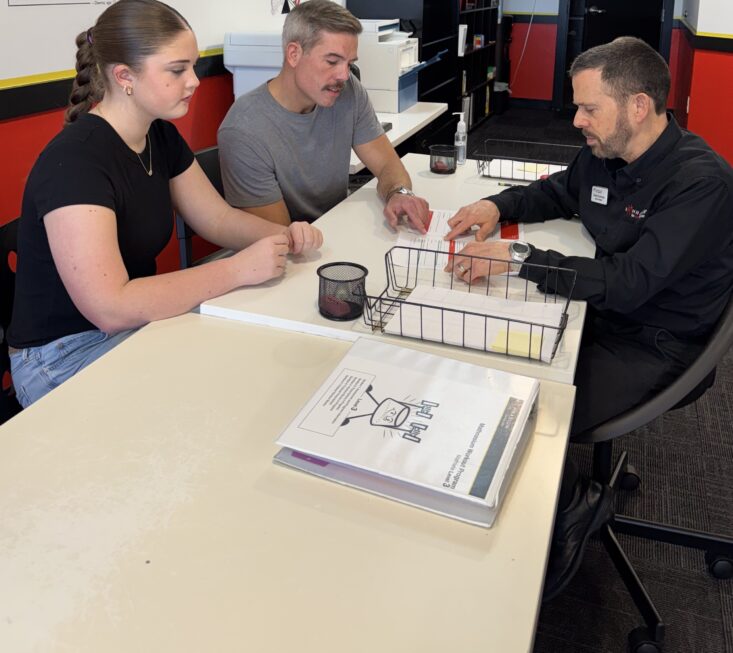
One thing I didn’t expect? My teen doesn’t dread going. I’m not going to pretend he skips into Mathnasium cheering about algebra - but he doesn’t fight it either. And in our house, that’s a win. The structure helps. He knows what to expect. He’s working one-on-one with instructors who actually explain the why behind the math instead of just pushing through homework. When something clicks, you can see it. That moment of, “Ohhh, that makes sense.” Mathnasium also builds in small rewards for progress - nothing over the top, but enough to keep things motivating. Points, incentives, recognition for consistency. It gives teens something tangible to work toward while reinforcing steady effort. For a kid balancing school, sports, and everything else, that little layer of motivation goes a long way. What I’ve noticed most isn’t sudden grade spikes - it’s confidence. He walks into tests calmer. He’s more willing to attempt harder problems. He doesn’t shut down as quickly when something looks complicated. And that mindset shift? That’s long-term preparation.


