




When my French Bulldog, Christian Louboutin, started having digestive issues—loose stools, gas, and inconsistent digestion—I knew something needed to change.
As a health-conscious pet parent (and a Physician Assistant), I didn’t want to guess. Gut health in dogs isn’t just about comfort. It affects digestion, nutrient absorption, immune function, and even skin health.
So I tested some of the most popular dog probiotics on the market to find out: what is the best probiotic for dogs, really?
After comparing ingredients, results, and overall quality, one option clearly stood out. But before getting into that, here’s what you should actually know about probiotics for dogs and how to choose the right one.
What do probiotics do for dogs?
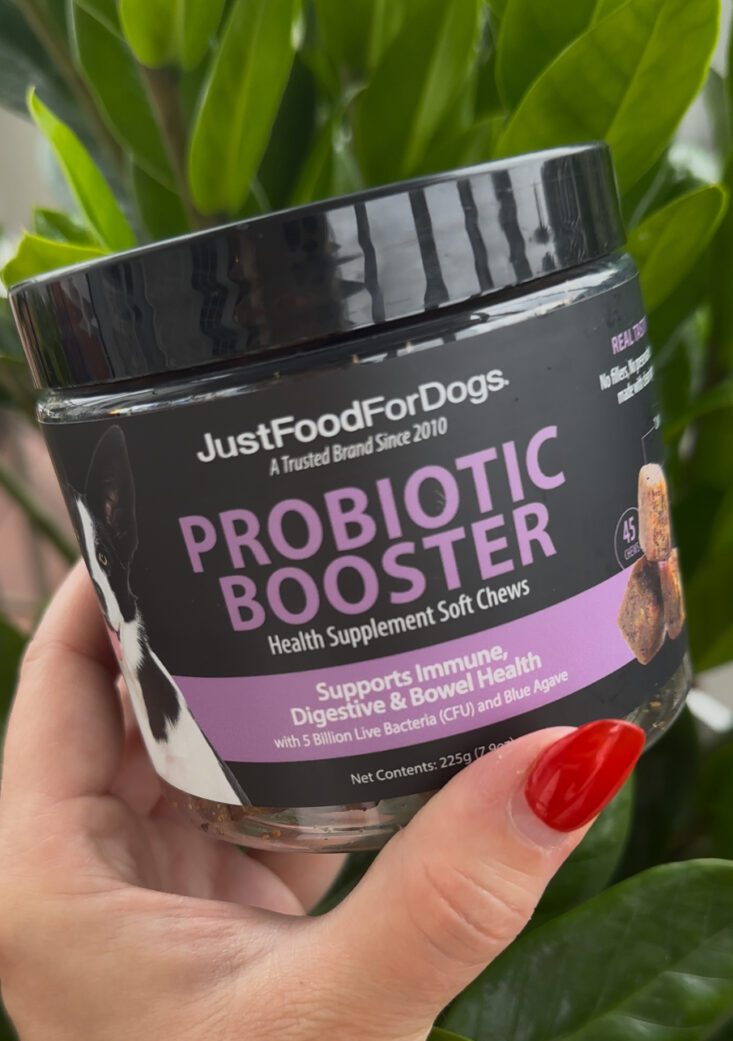
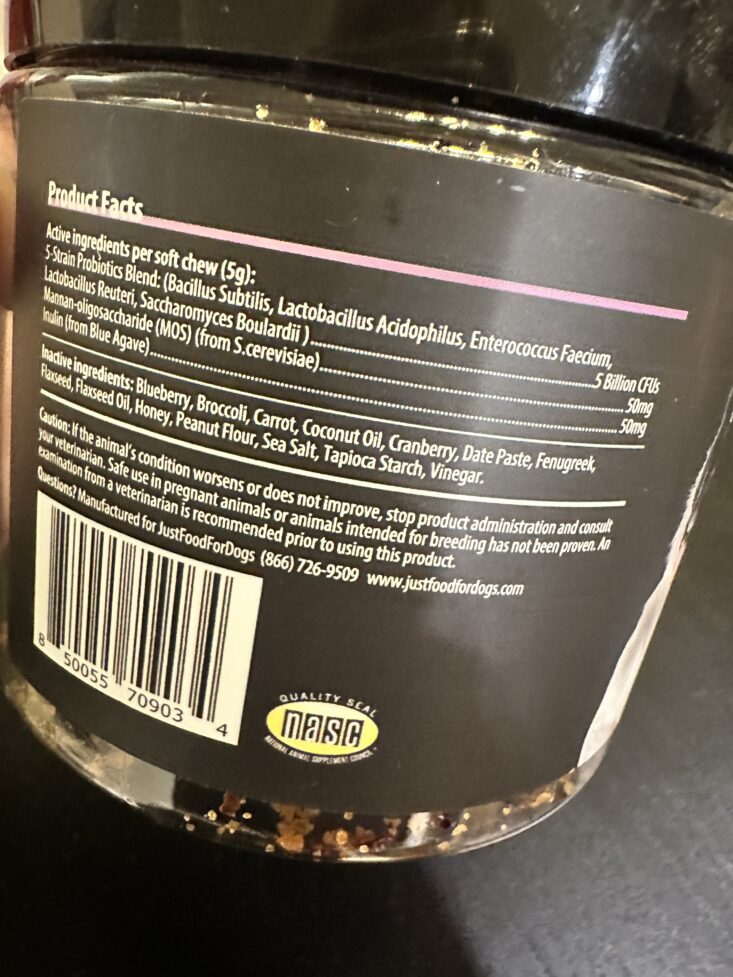
Probiotics are live beneficial bacteria that support your dog’s gut microbiome, the ecosystem of microorganisms in their digestive tract.
When this balance is disrupted by stress, diet changes, antibiotics, or illness, dogs can experience:
- Diarrhea or loose stools
- Gas and bloating
- Poor digestion
- Weakened immune response
Probiotic supplements help restore that balance by introducing beneficial strains like lactobacillus, which support digestive health and improve gut function.
Many high-quality dog probiotics also include prebiotics, which are fibers that feed these beneficial bacteria and make the supplement more effective.
Benefits of probiotics for dogs
Adding a probiotic supplement to your dog’s routine can support several areas of health:
1. Improved digestive health
2. Help with diarrhea and loose stools
3. Better gut bacteria balance
4. Immune system support
5. Potential skin and allergy support
Types of probiotics for dogs
Not all probiotics for dogs come in the same form. Here are the most common options:
- Probiotic supplements (powders or capsules)
These are often more concentrated and targeted. For example, the JustFoodForDogs Probiotic Booster is designed specifically for digestive support. - Probiotic chews or treats
Easier to give daily, especially for picky eaters. JustFoodForDogs also offers chew-based options made with whole food ingredients. - Natural sources (yogurt, kefir, fermented foods)
These can provide mild probiotic benefits, but dosage and effectiveness are less consistent.
Best probiotic for dogs: comparing top options
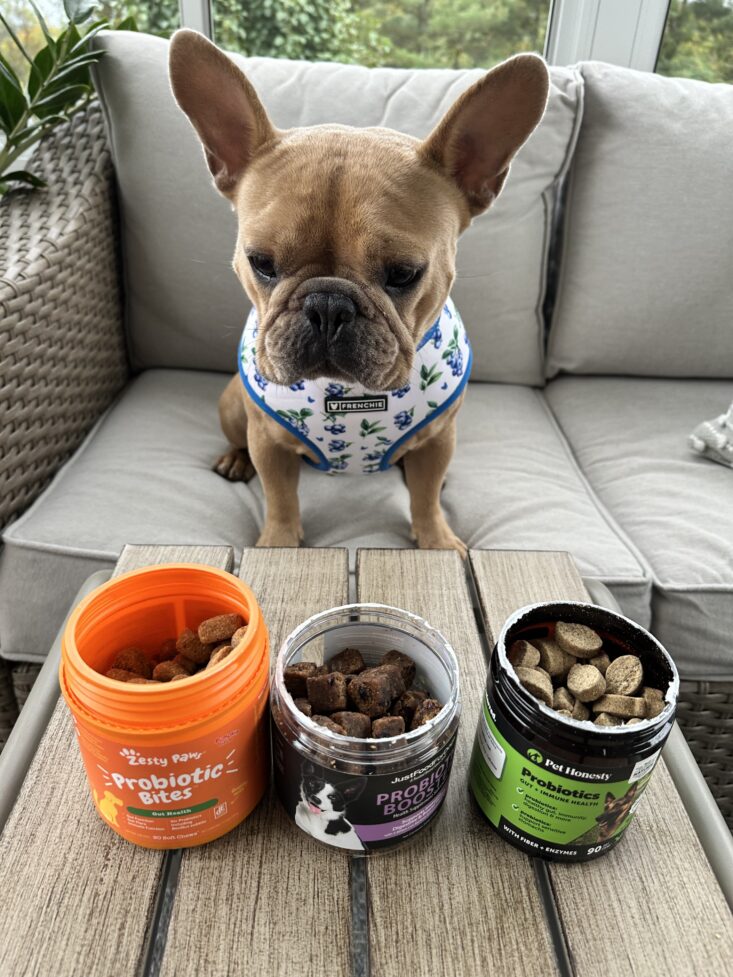
Not all dog probiotics are created equal. Differences in formulation, ingredient quality, and bacterial strains can significantly impact results.
Here’s how the most popular options compare:
JustFoodForDogs Probiotic Soft Chews
This was the clear winner in my experience.
Unlike typical probiotic treats, these are made with human-grade, whole food ingredients like sweet potatoes, coconut oil, carrots, and blueberries. No artificial flavors or fillers.
What stood out most:
- Clean, transparent ingredient list
- Includes prebiotics and probiotics for better gut support
- Noticeable improvement in stool consistency within about two weeks
- My dog actually wanted to eat them
For dogs with sensitive stomachs, diarrhea, or inconsistent digestion, this felt like the most complete and reliable option.
Zesty Paws Probiotic Bites
A very popular option, but more processed.
Ingredients include garbanzo flour, pea flour, powdered cellulose, and “natural chicken flavor.”
My experience:
- Minimal improvement in digestive health
- Stool consistency remained inconsistent
- Not appealing to picky eaters
It may work for some dogs, but the formulation feels more like a treat than a targeted supplement.
Pet Honesty Digestive Probiotics
Slightly better results than Zesty Paws, but still not ideal.
Ingredients include oat flour, vegetable glycerin, and vague “natural flavors.”
My experience:
- Some improvement in stool quality
- Increased gas and bloating
- Still not something my dog was excited to eat
Other vet recommended probiotics for dogs
Some additional commonly recommended options include:
- Purina Pro Plan FortiFlora
- Nutramax Proviable
- PetLab Co. Probiotics
These are often vet recommended probiotics for dogs, but they vary widely in formulation and ingredient quality.
How to choose the best probiotic for your dog
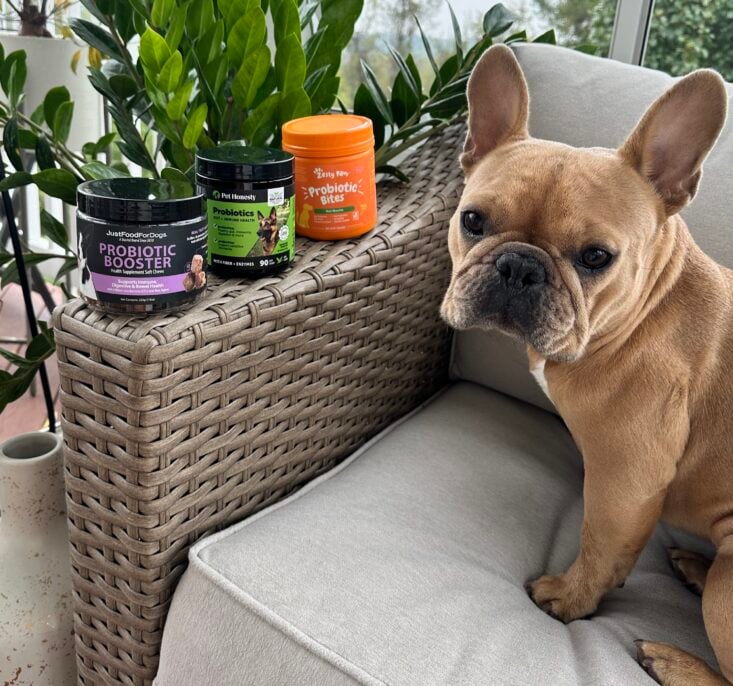
If you’re trying to figure out what is a good probiotic for dogs, here’s what actually matters:
1. Ingredient quality
2. Bacterial strains
3. CFU count (colony forming units)
4. Added prebiotics
5. Palatability
Final verdict: I’m sticking with JustFoodForDogs
The best probiotic for dogs depends on your dog’s specific needs.
But based on ingredient quality, formulation, and real-world results, higher-quality products tend to deliver more consistent outcomes.
For Christian, the difference was clear.
After switching to JustFoodForDogs, his digestion became consistent, his stools normalized, and he seemed more comfortable overall.
It combines human-grade ingredients, prebiotics and probiotics, and real results.
If you’re prioritizing gut health, transparency, and something your dog will actually eat, this is the option I’d recommend.
FAQs
What is the difference between probiotics and prebiotics for dogs?
Probiotics are live beneficial bacteria that support gut health.
Many high-quality supplements include both for better effectiveness.
What are the ingredients of JustFoodForDogs Probiotic Booster?
The formula includes:
- Whole food ingredients like sweet potatoes, coconut oil, and oats
- Plant-based fibers
- Beneficial probiotic strains
- Natural preservatives like sea salt and vinegar
No artificial flavors or fillers.
How long does it take for probiotics to work in dogs?
Most dogs show improvement within 1 to 2 weeks, especially for issues like diarrhea or loose stools.
In my experience, results were noticeable by the end of week two.


