



I want to be upfront: I was skeptical. Every time I saw a TRT ad, I assumed it was the wellness industry selling middle-aged men a shortcut. I’m 47. I know what getting older feels like.
But the pattern got harder to ignore. Workouts I should have been recovering from in a day took three. Weights that should have been moving weren’t. The 2pm wall I used to push through became something I just surrendered to.
Then my wife mentioned, carefully, that I seemed checked out. Not angry, not distant; just not fully there.
That one landed differently. So I decided to actually look into TRT and find a program I could trust.
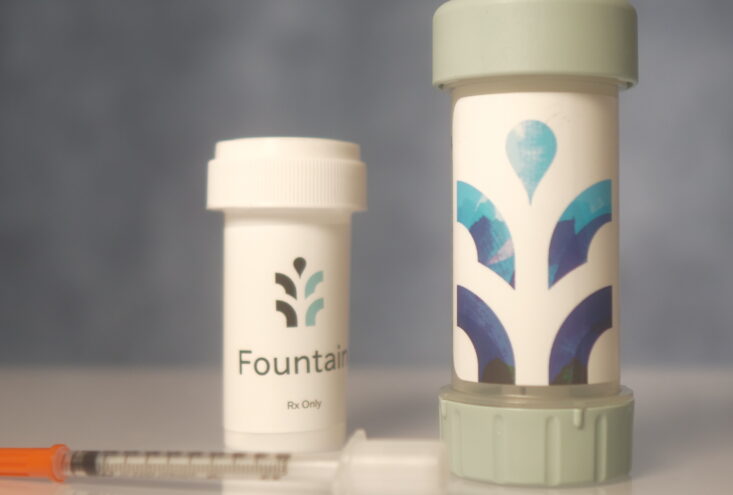
I found Fountain, got a full intake evaluation for $35, and had real data on my levels before committing to anything. I’ve used it for 5 months, here are my honest thoughts:
I Had Actual Data of Progress – Not Empty Promises
Before I did anything, I needed to know if there was a real problem: not a vibe, not a guess, but actual numbers.
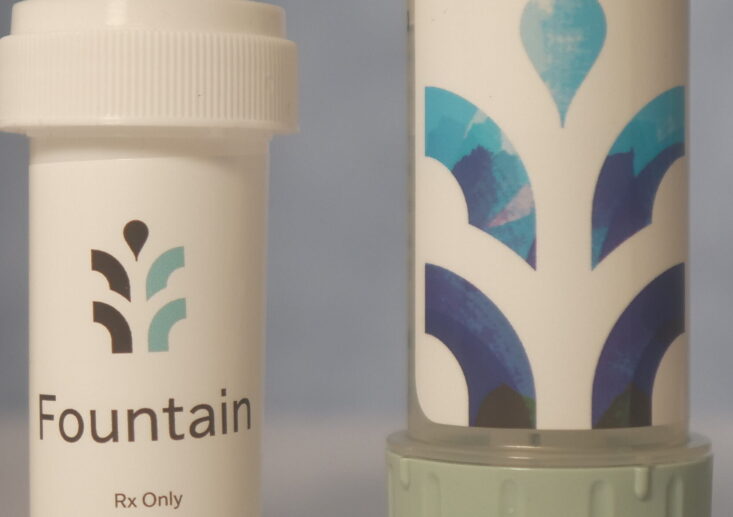
Fountain’s intake process starts with a full evaluation: labs, a video visit with a provider, real data on your levels before you commit to a single thing. The upfront cost is $35. That felt reasonable for information I should probably have regardless – plus other competitors start at $45+.
My results confirmed what the pattern had been suggesting for a while. My testosterone was low. Not dramatically, not in a way that would have sent any alarm bells off in a standard physical, but low enough to explain a lot.
That was actually a relief. Not because I wanted something to be wrong, but because “here’s a measurable, treatable thing” is a better answer than “this is just your life now.”
I Saw Changes in My Recovery and Energy Within 2 Months
I want to be honest here, because a lot of TRT content makes it sound like you wake up feeling 25 again by week three.
That’s not what happened. The first month was quieter than I expected – subtle shifts in sleep quality, marginally better energy, nothing dramatic.
Month two was different.
Recovery changed first. The soreness that used to linger for three days started clearing in one. Then the weights started moving again – not because I’d changed anything about my training, but because my body was actually responding to it. The consistency came back. Not just occasionally, but reliably.
The motivation piece caught me off guard. When you’re putting in work and seeing nothing, staying engaged is a grind in itself. Once the results started showing up, I actually wanted to be in the gym.
The Support Structure Matters More Than I Expected
Here’s the part I didn’t see coming: how much the ongoing support changed the experience.
I’d assumed I’d get a prescription, a pamphlet, and a “good luck.” Instead, Fountain has 24/7 concierge support – real people, not a ticketing system. When I had questions, responses came back in under ten minutes. During the first 90 days, they adjusted my protocol based on my labs and how I was actually feeling. It wasn’t a fixed plan handed down once and left alone.
That matters for something like hormone levels. There’s no perfect starting dosage. The value is in the adjustment and in someone actually tracking how you’re responding and refining accordingly.
Fountain also monitors 8+ biomarkers through ongoing labs. So instead of guessing whether something is working, I could see it. Testosterone levels. Measurable change over time. That’s what made the whole thing feel controlled rather than experimental.
Bottom Line: After Five Months, I Truly Feel Like Myself Again
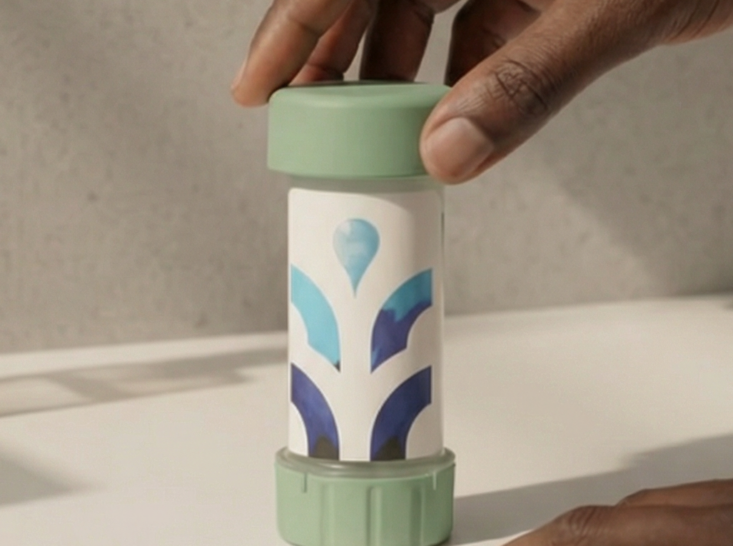
The honest answer to “what changed” isn’t one thing.
Energy is steadier – not a different person, but a more reliable version of myself. Workouts are productive again. Recovery is faster. The afternoon wall is mostly gone.
But the thing I keep coming back to is that conversation with my wife. The “checked out” comment. Because that’s what I notice most now: I’m more present. More engaged. More like the person I was before whatever slow decline I’d been normalizing for the last few years.
For men dealing with the slow accumulation of fatigue, flat motivation, stalled progress, and that general sense of running at 70% – getting real data on your levels is probably the smartest first move.
You don’t have to commit to anything. But knowing where you actually stand? That’s worth $35.


