




Greetings from the trenches. AKA: a mom of three kids under five.
I’ve lived through tantrums in Target, bedtime battles that somehow last longer than the bedtime routine itself, sibling screaming matches, and the end-of-the-day feeling of: Did I handle that the way I wanted to?
Like a lot of overwhelmed parents, I’ve tried a lot of approaches:
Gentle parenting.
Authoritative parenting.
Sticker charts.
Time-outs.
Scripts saved from Instagram.
Books stacked on my nightstand.
Some of it helped for a while. But when the hard moment actually happened, I still found myself stuck between two questions.
Am I being too strict?
Or not holding the boundary enough?
It often felt like parenting was asking me to choose between structure and compassion. And I didn’t want to lose either.
Traditional discipline led to more power struggles
Clear rules. Firm expectations. Consistent consequences.
It felt responsible. It felt like what good parenting was supposed to look like.
But over time I noticed something in my house. The stricter I became, the more my most emotional child pushed back.
The punishments I thought would teach skills often escalated the battle. Instead of building cooperation, I felt stuck in constant power struggles.
And I was exhausted.
But gentle parenting also did not work
So I swung the other direction.
Gentle parenting felt compassionate. I focused on validating feelings and staying calm.
But I often found myself wondering where the boundary actually lived.
Was I being empathetic, or avoiding conflict?
Was I holding a limit, or just hoping the moment would pass?
Sometimes I stayed calm on the outside while boiling on the inside. And eventually that pressure came out anyway.
Then came the guilt.
Then the promise to stay calmer next time.
It was a cycle I couldn’t quite break.
Good Inside: the middle ground I didn’t know I needed
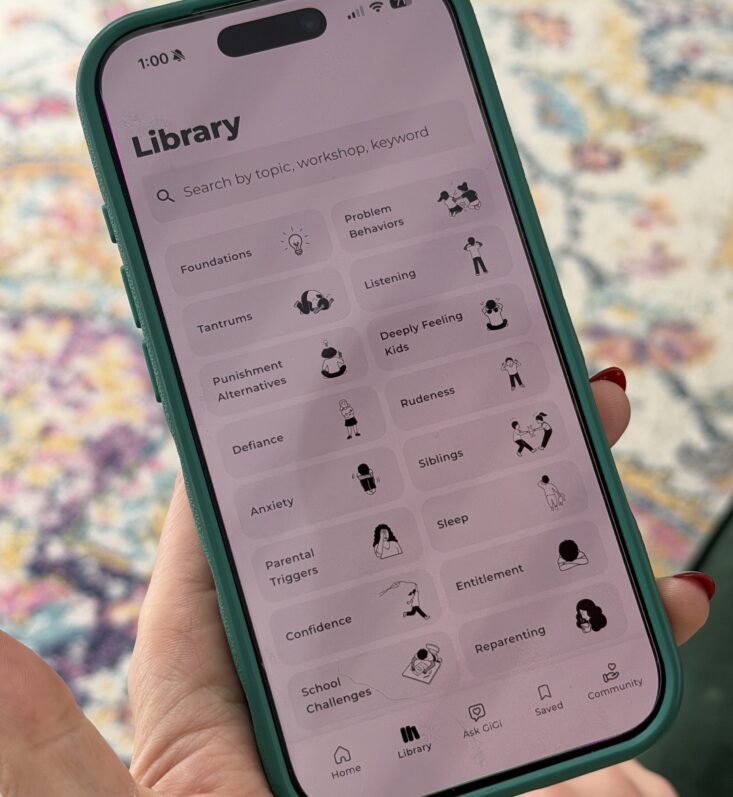
Then I found Good Inside.
And something shifted.
Good Inside doesn’t ask parents to choose between empathy and boundaries. It holds both. Dr. Becky calls this approach “sturdy.”
One idea changed everything for me.
Behavior is a window into skills, not a verdict on a child’s character.
That shift changed how I saw my kids’ hardest moments.
Instead of thinking, How do I stop this behavior?
I started asking, What might be going on underneath?
And honestly, that question softened a lot of battles before they even started.
Every parent needs to try this
If you’re overwhelmed, burned out, or quietly wondering why the strategies you’ve tried aren’t sticking, this is your sign. Every parent deserves tools that actually support them.
Good Inside isn’t just another parenting philosophy. It’s the approach that finally made me feel capable in the chaos. And if you ask me? It’s the one every parent needs to try.


