



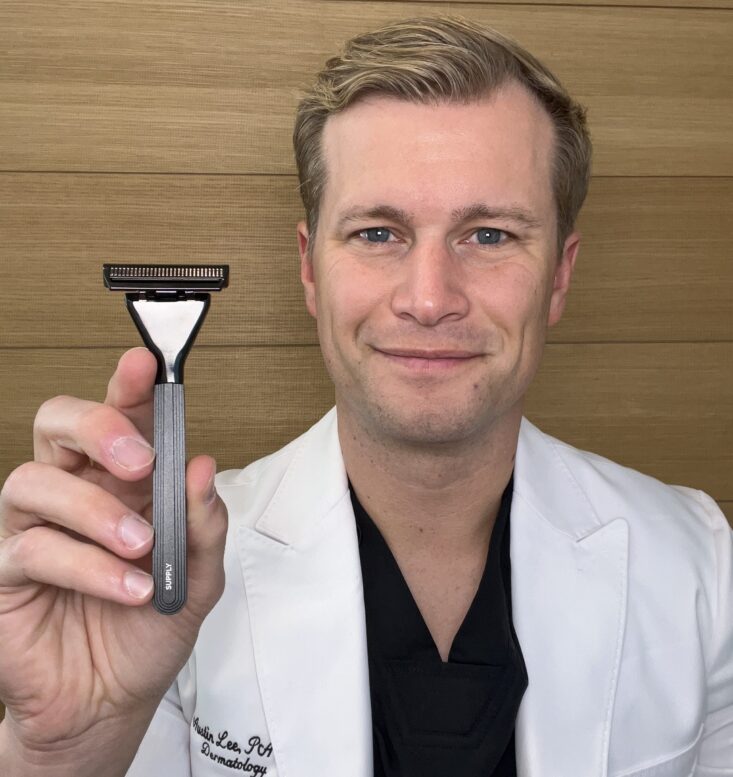
After more than a decade treating ingrown hairs, razor bumps, and routine shaving irritation, I’ve noticed the same pattern: most of the issues come from speed, pressure, and the use of multi-blade cartridges.
Why Modern Razors Create Problems
Multi-blade systems cut the hair below the skin’s surface and create repeated friction on the barrier in a single stroke. That combination - subsurface cutting plus barrier disruption - is what leads to bumps, trapped hairs, redness, and chronic sensitivity.
People often assume they have “sensitive skin.” In reality, their shaving method is simply too aggressive for the skin to recover between shaves.
Years ago, when men shaved more slowly with a single blade, these problems were far less common.
Why a Single Blade Helps
A single blade cuts the hair cleanly at the surface. You need fewer passes, and you exert far less pressure. The barrier stays intact, inflammation drops, and the skin stays calmer over time.
Technique matters just as much as the blade:
- soften the hair with a proper lather
- use short, controlled strokes
- no pressure—let the razor’s weight do the work
- take your time
Almost every case of razor bumps or irritation I see improves when people adopt this slower, more deliberate method.
The Right Tool Can Reinforce Good Technique
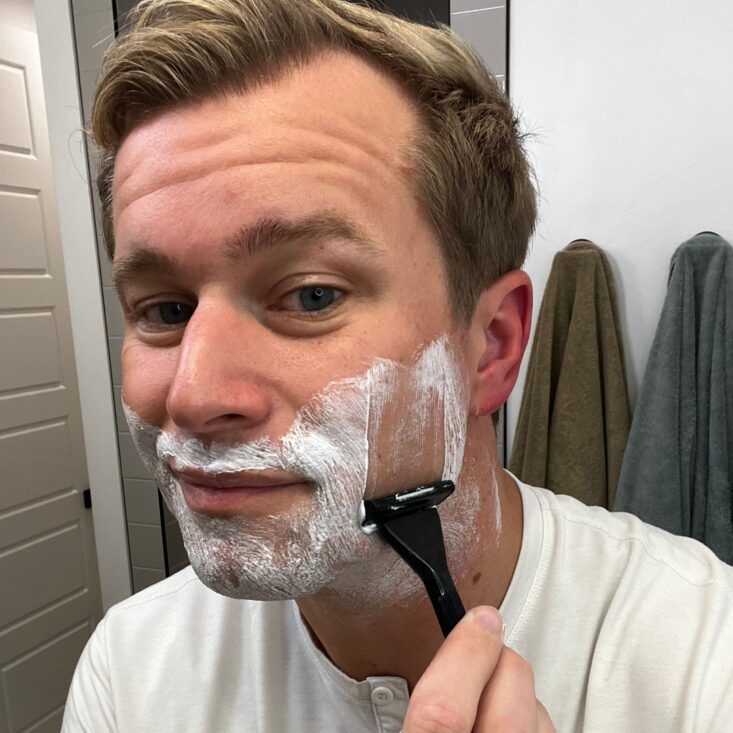
When patients ask what type of razor supports this approach, I often point them to Supply’s Single Edge Max. The weight distribution and blade angle make it naturally harder to rush or press too hard. That alone prevents most of the problems I treat.
It also provides a very smooth, consistent shave if you give yourself the time to learn its rhythm. That’s important—this isn’t a razor you can rush with. It rewards a slower pace.
And that aligns with their broader ethos: shifting shaving from a quick routine into a more deliberate ritual. When you make that shift, the payoff isn’t only a closer shave. It’s calmer, healthier skin.
The Bigger Picture: Skin Barrier Health
Your skin barrier protects against dryness, inflammation, and irritation. When you repeatedly scrape it with multiple blades and rushed pressure, it never fully heals. A single-blade method minimizes disruption and allows the barrier to stay intact.
Over weeks, you’ll typically see fewer bumps, fewer ingrown hairs, and an overall more even texture—not because the razor performs magic, but because the method is physiologically sound.
My Recommendation
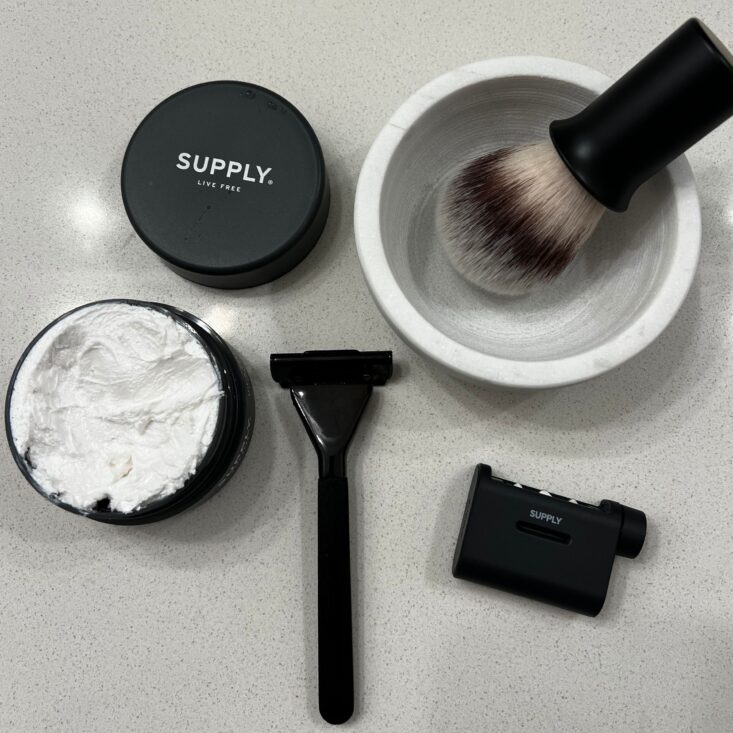
If you’re dealing with recurring irritation, ingrown hairs, or razor bumps, the most effective change you can make is to slow down and use one blade. It aligns with everything we know about hair growth patterns and skin barrier science.
If you want a razor designed around that philosophy, the Single Edge Max is a strong option. If not, any well-balanced single-blade tool combined with the proper technique will put you on a far healthier path.


